
Grain Bunker Storage Part 9: Removing the Grain

Well, a warm welcome to today's newsletter which is Part 9 (and the final instalment) of our Grain Bunker Storage series.

Thank you for coming on the journey with us over the past months where we have worked through the process from site selection, and selecting the right cover, right through to today’s edition of removing the grain from the bunker. Don’t worry, we still have plenty of tips and hints that we will be continuing to share with you on a monthly basis.

Things are starting to look a lot more positive for the coming season with recent rainfall and the phone already abuzz with enquiries about storage requirements. It's very welcome and needed for all our clients - so here’s to a great 2026 harvest!

Let’s get started….

Removing the Grain


The way in which you remove the grain from your bunker will obviously depend on the type of equipment you have available.

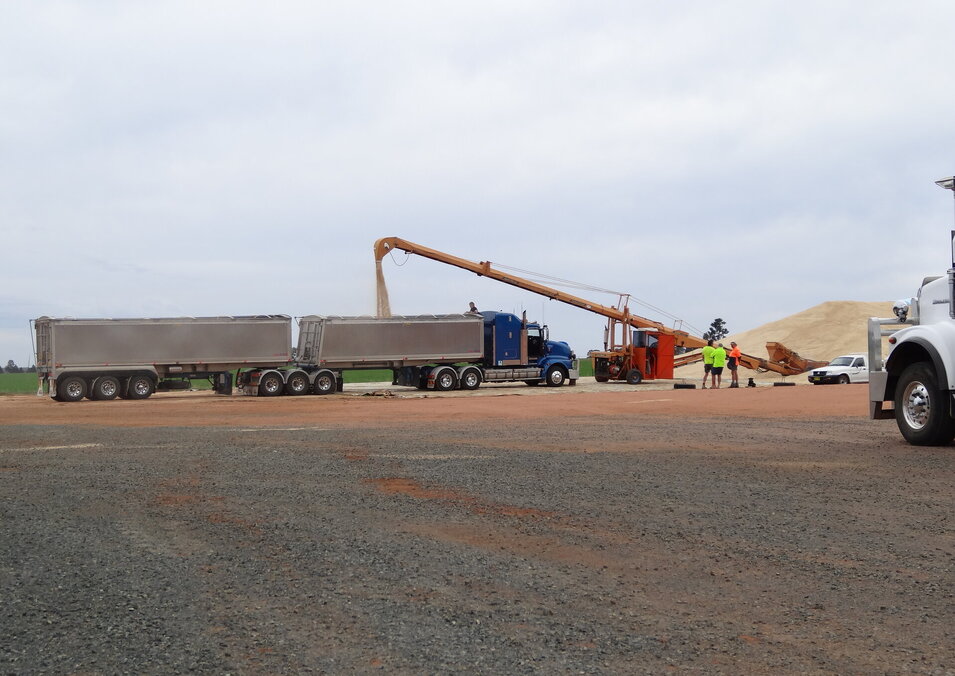
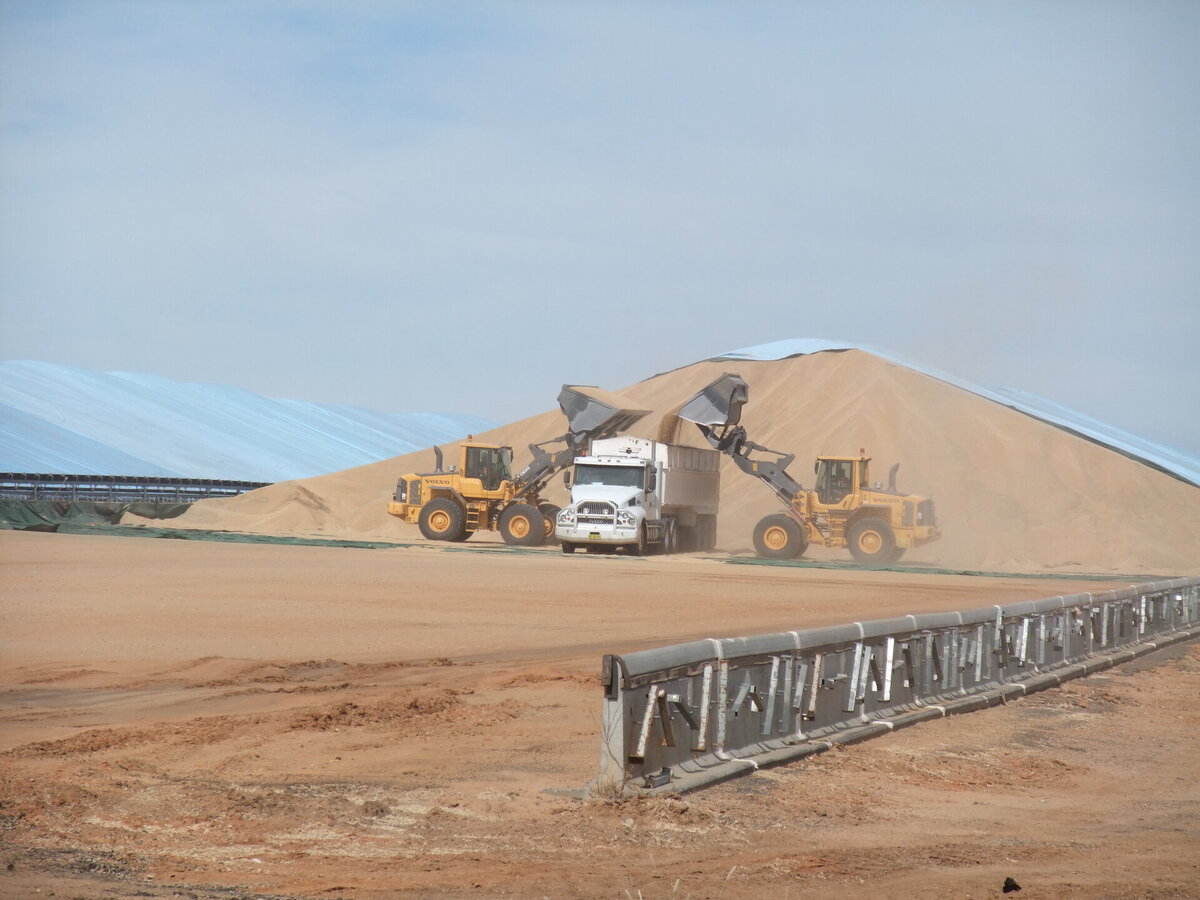
A mobile auger fitted with a cross sweep is ideal for unloading a bunker. Towards the end, a shovel and a broom may be required to complete the job as necessary. Pneumatic grain conveyors are also effective in unloading this type of storage, and of course front-hand loaders are also commonly used.

A fixed and guarded cross-sweep on the auger will simplify the grain removal. When using an auger, a skid plate under the intake is usually needed to prevent it digging in due to vibrations. 

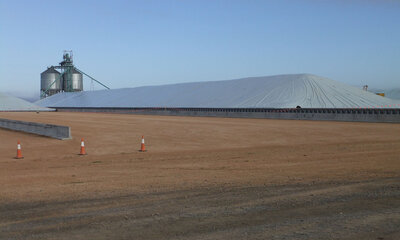
Work from one end of the bunker to the other to retain uniform shape, especially if the grain is going to be moved out progressively. Ensure the covers that are still on the stack during the unloading are held down against the wind. The cover is progressively removed and folded in the reverse manner to which it was fitted. Flaking (or concertina folding) it back on itself effectively assists to reseal the bunker. It also minimises the possibility of wind or mechanical damage to the cover and great assists with the eventual retrieval and storage.


Clean and Store your Cover so it Lasts Longer


Storing the cover once removed is also very important. Experience has shown that proper care and attention when the cover is not is use does extend the life of the cover.

As with your grain handling equipment, it is important the covers are thoroughly cleaned of grain residue. Covers can be swept clean of any grain and dirt and stored in a vermin proof shed or shipping container. This eliminates rodent damage and exposure to UV.

Note: at all times care must be taken not to damage the cover. While the fabrics are robust they can still be damaged by sharp objects, abrasion and some chemicals. Avoid all contamination from herbicides, fuel, oil and other chemicals as these can attack the UV stabilisers in the fabric and reduce the lifespan of the cover.

So now we have completed the whole process of bunker storage - stay tuned for next month's hot tip on bunker storage. 

Click here to read and catch up on all of our previous bunker storage instalments.

We hope you find this helpful, it’s just one of the things we do to give our customers the service they expect!

Check out our Grain Bunker Tarps here!


Need accessories to install or repair your grain bunker tarp?

Click here to buy now!