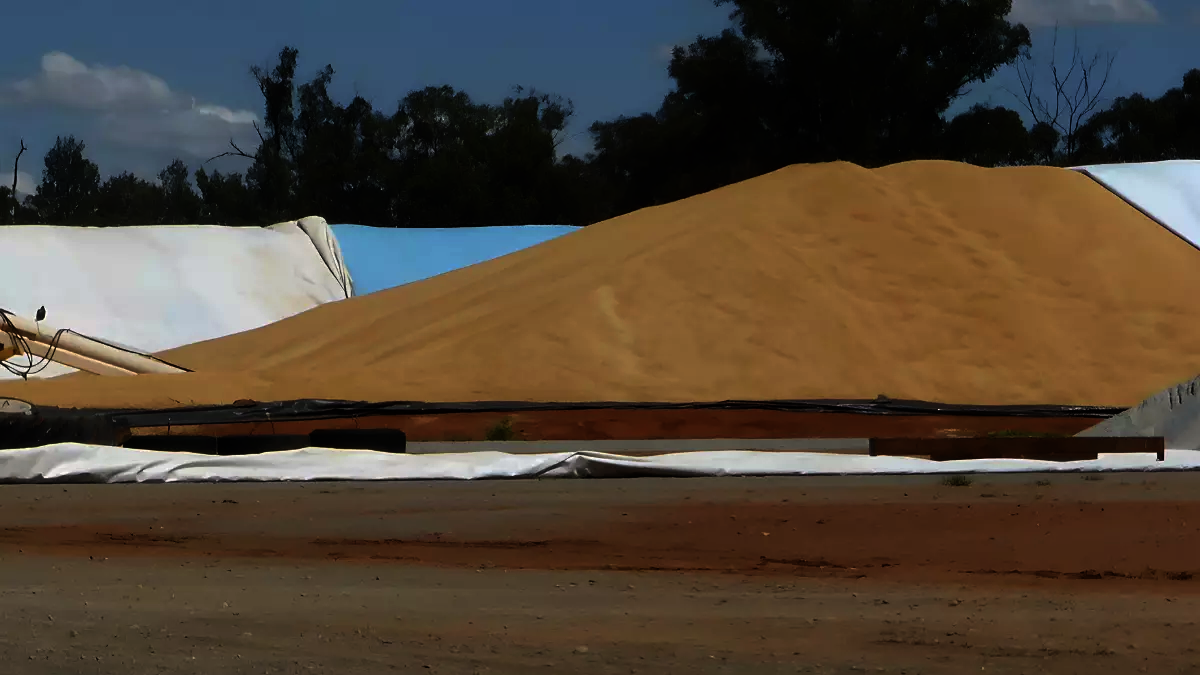
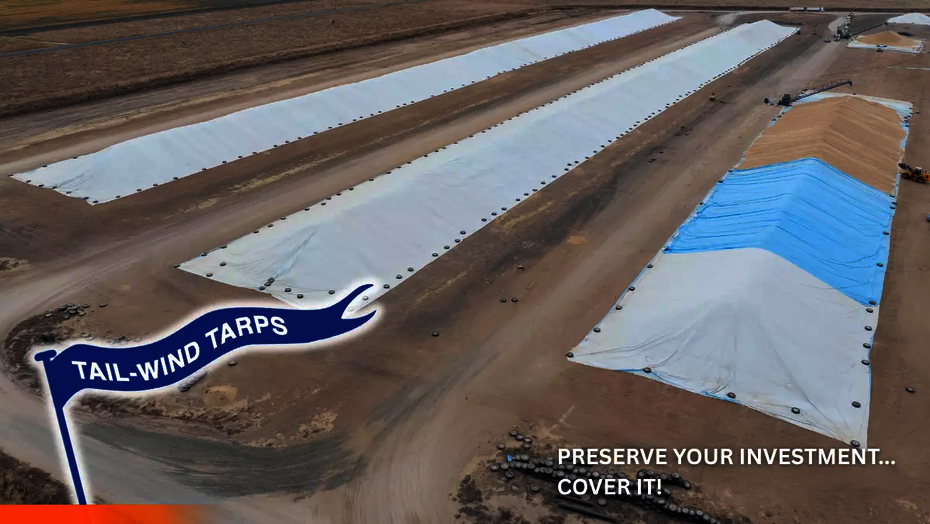
Grain Bunker Storage Part 3: Site Drainage and Earthworks

This month we are back to talk about the next all-important step in the grain storage site set-up series – Site Drainage and Earthworks.


If there is one thing that is crucially important in Bunker Storage, it would have to be Site Drainage. The last thing you want is water run-off flowing across your bunker pad (or soggy Weet-Bix!). 


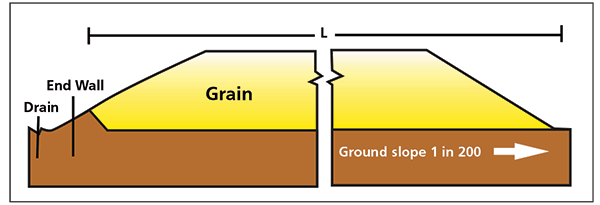
Aim to keep the bunker floor above the surrounding ground level. Raised pads are common as they minimise the potential for water damage to the facility and the stored grain. The height of the pad will vary according to the site, but a couple of hundred millimetres is not uncommon. In some cases, the natural landscape may assist free drainage while other more flat sites may require drainage channels to carry water away from the site. A floor slope of about 1 in 200 from the closed end of the bunker, properly levelled to avoid dips, will assist drainage and prevent water accumulating as the bunker is emptied.
Earthworks - Earthen Walls Are Effective

The bunker cover itself is actually a large surface area for water run-off and you may even choose to take it a step further and harvest this water run-off and store in a dam.

Once the site has been cleared, walls are ready to be constructed. There are various wall types available (more about wall types in a coming edition – stay tuned!), but the most common type of wall for on-farm storage and smaller facilities in an earthen wall. When constructed correctly, earthen walls are often very effective. They can be constructed using a grader, dozer, off-set blade on a tractor or other earthmoving equipment. Walls should be constructed as smooth as conditions permit, in a roughly triangular shape. 

Different soil types will affect the wall sizing. Soils that permit compaction should pose no problem in preparing retaining walls 1 metre high. Poorer soils may have to opt for half metre walls. The closed end of the wall should be shaped to the same dimensions of the side walls to form a radius equal to half the distance between the side parallel side walls. The semi-circular end wall eliminates the need to fill the corners with grain.

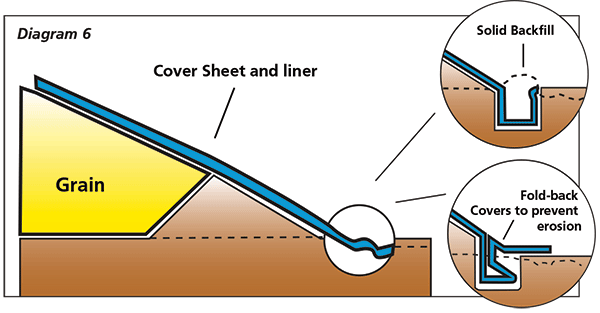
At this point while doing the earthworks, it is also a good time to think about sealing the bunker. Often the edge of the cover is buried in a trench on the outside of the wall. This trench is typically 300-400mm deep at the base of the wall. The cover runs over the wall, into the trench and is then back-filled with soil.

So now we have the bunker pad sorted with drainage and earthworks. Stay tuned for next month’s edition for the next step of the bunker building process...

We hope you find this helpful; it’s just one of the things we do to give our customers the service they expect!


Got a bunker cover question? Click here!